
News
Labour win leaves every party with problems

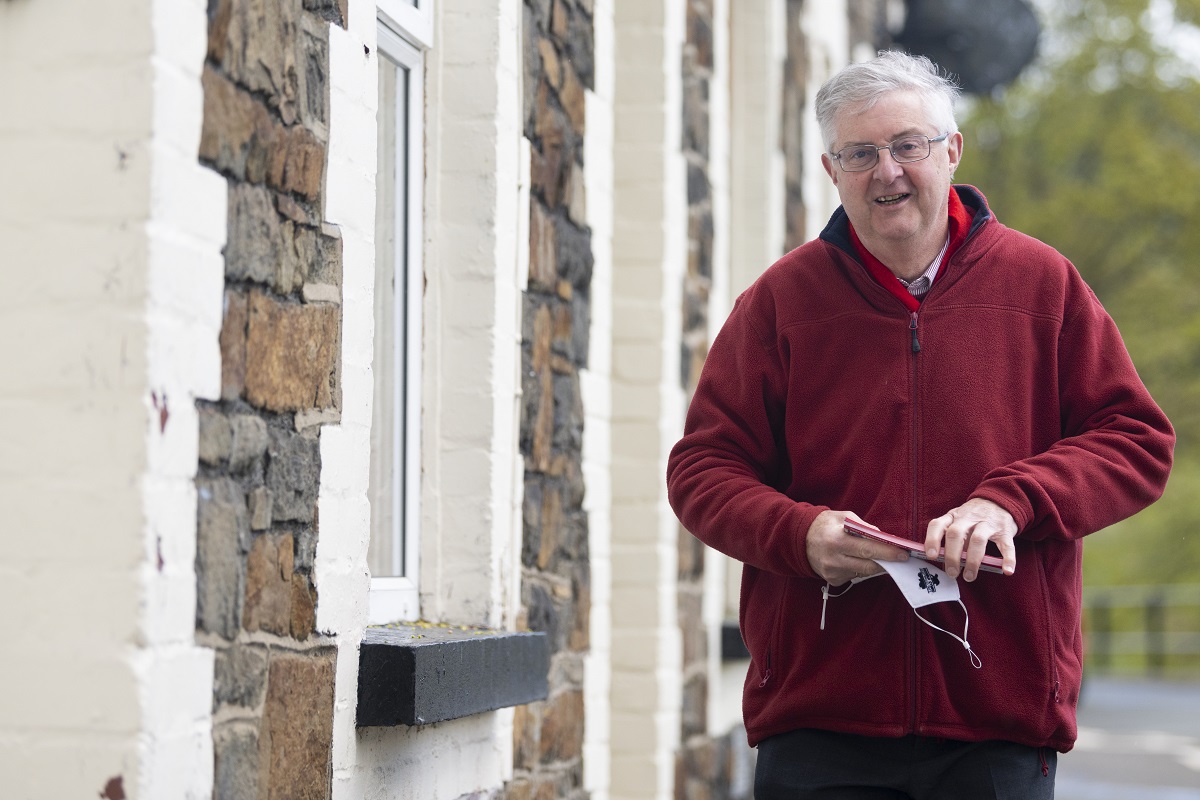
Photo Matthew Horwood
AGAINST all predictions, the elections to the Welsh Parliament have produced neither a coalition nor a breakthrough for either the Conservatives or Plaid Cymru.
Instead, Mark Drakeford will return to Cardiff Bay as First Minister at the head of a Labour Government.
Although thirty seats is not an overall majority, something Labour has never had in Wales, it is more than enough to form a government able to advance its policies with very little horse-trading.
The presence in the Welsh Parliament of a lone Liberal Democrat, Jane Dodds, will almost certainly lead to Labour having 31 dependable votes without having to do too many deals with Plaid Cymru to get what it wants.
CONSERVATIVES STILL WAIT FOR THE GREAT LEAP FORWARD
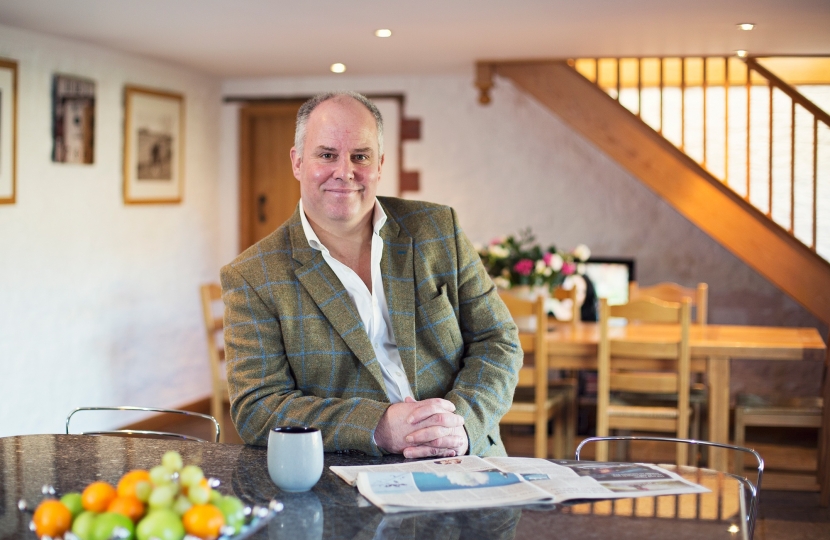
The Conservatives captured only one of their target seats, the Vale of Clwyd. They racked up impressive performances in seats they already held.
Apart from the Vale of Clwyd, they failed to make any breakthroughs in North Wales. In seats like Cardiff North and the Vale of Glamorgan, the Conservatives went backwards at a rate of knots.
Already ‘sources’ in the Conservatives claim it’s because the party in Wales didn’t capitalise on the Brexit vote. That, again, reveals a party too intent on internal faction-fighting and reliving the Brexit psychodrama than one focussed adequately on the present and the future.
It also rewrites history (the Conservatives did rather well in December 2019) and ignores an important reality.
Mark Drakeford’s profile during the last year rose.
His regular public briefings brought him and the powers the Labour Government has in Cardiff Bay into people’s daily lives.
As Labour Minister Lee Waters admitted, Mark Drakeford might be ‘a bit nerdy, a bit boring’, but he was Labour’s biggest electoral asset.
As the Conservatives in Wales cleaved to an ever-closer union with Boris Johnson’s Westminster Government, the personal contest boiled down to Boris versus Mark.

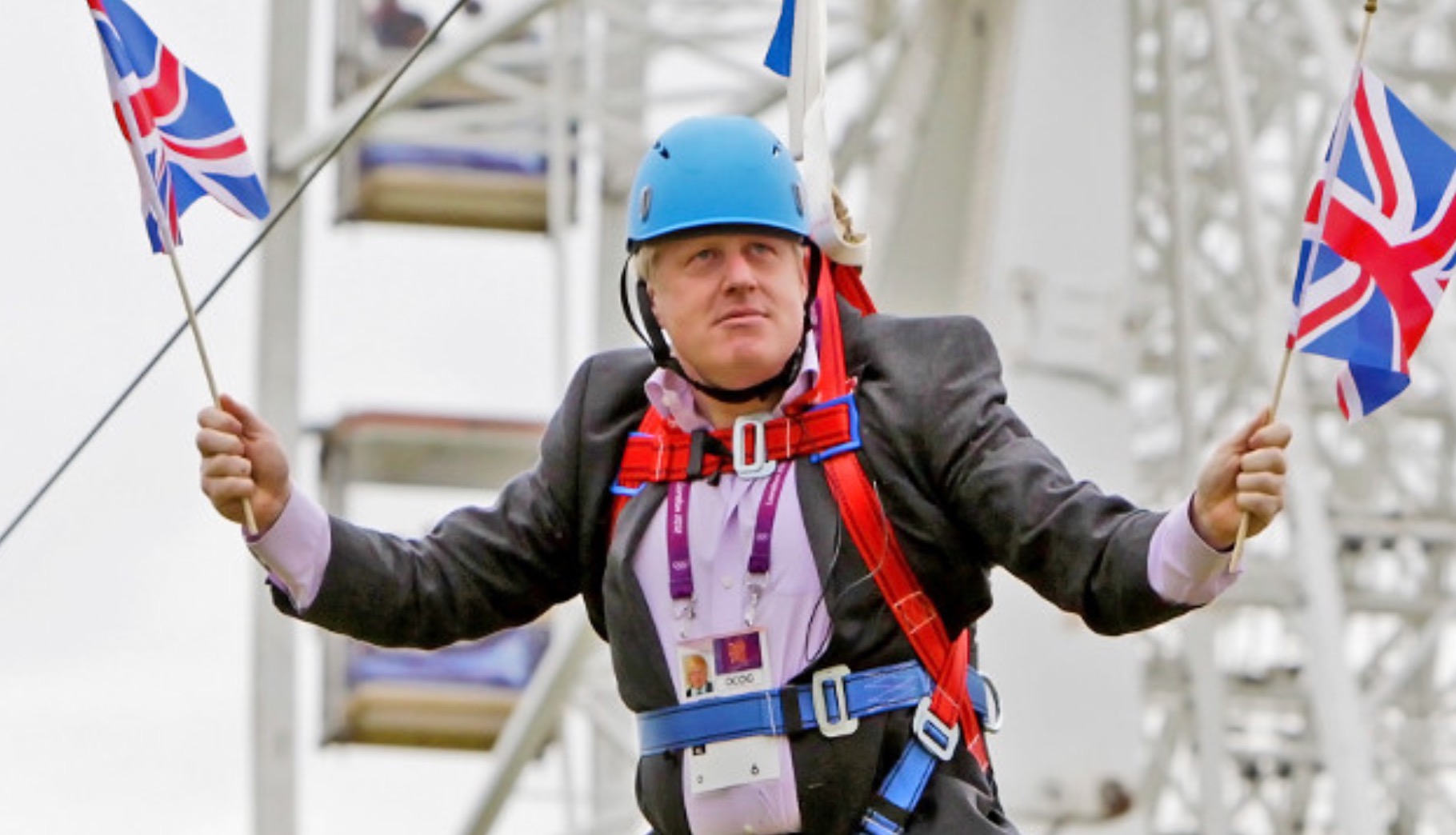
The Welsh public took one look at the calm and (yes) boring Mark Drakeford and the shambling sloganeering Boris Johnson and decided which they preferred.
The Welsh Government’s steady and cautious approach to the pandemic contrasts favourably with the scandal-mired and higgledy-piggledy approach over Offa’s Dyke.
Suppose the Conservatives in Cardiff Bay continue to behave like sock puppets for Westminster. In that case, they will never break through to a Welsh public that has not returned a Conservative majority since the nineteenth century.
Someone needs to sit down and explain that to Andrew RT Davies and his handlers in plain and honest language.
The question boils down to this: are you Welsh Conservatives with a plan for Wales or Conservatives in Wales with an agenda set by Westminster and the Welsh Office?
The Conservatives cannot ride two horses at once and need to be upfront about who and what they are.
That said, the Conservatives are Wales’ second party – and by some margin, too. The validity of conservatism as a force in Welsh politics can be neither ignored nor understated.
No matter how much abuse is flung at their candidates and activists on social media by activists from the left and/or those supporting independence, that’s a political reality and will remain so for some time.
A failure to acknowledge opposing ideas not only exist but have the right to exist is a fatal flaw in both nationalist and left-wing politics. Particularly for the former: without persuading small ‘c’ conservatives to support independence, the chances of winning a referendum are practically nil.
PLAID LOOK FOR DIRECTION AND A FUTURE

The election was undoubtedly disappointing for Plaid Cymru. Brave talk and bold promises did not convert to votes where it mattered.
In target marginals, their vote simply didn’t materialise.
Plaid Cymru lost former leader Leanne Wood, and Helen Mary Jones was crushed in Llanelli.
Llanelli has long been the most marginal seat in Wales. Lee Waters’ new majority is some way north of 5,500 and looks to have ended Helen Mary Jones’ long political career.
In Preseli Pembrokeshire, Cris Tomos increased Plaid’s vote by over 50%. In Carmarthen West and South Pembrokeshire, Plaid’s vote-share went up by over a fifth.
That happened through a volunteer effort as resources were piled into Llanelli, where Plaid was routed.
Plaid has less money than other parties. The folly of pouring resources into a single seat shows weakness. There was no need for a paid organiser for one seat – it should’ve been a regional effort to maximise Plaid’s regional vote.
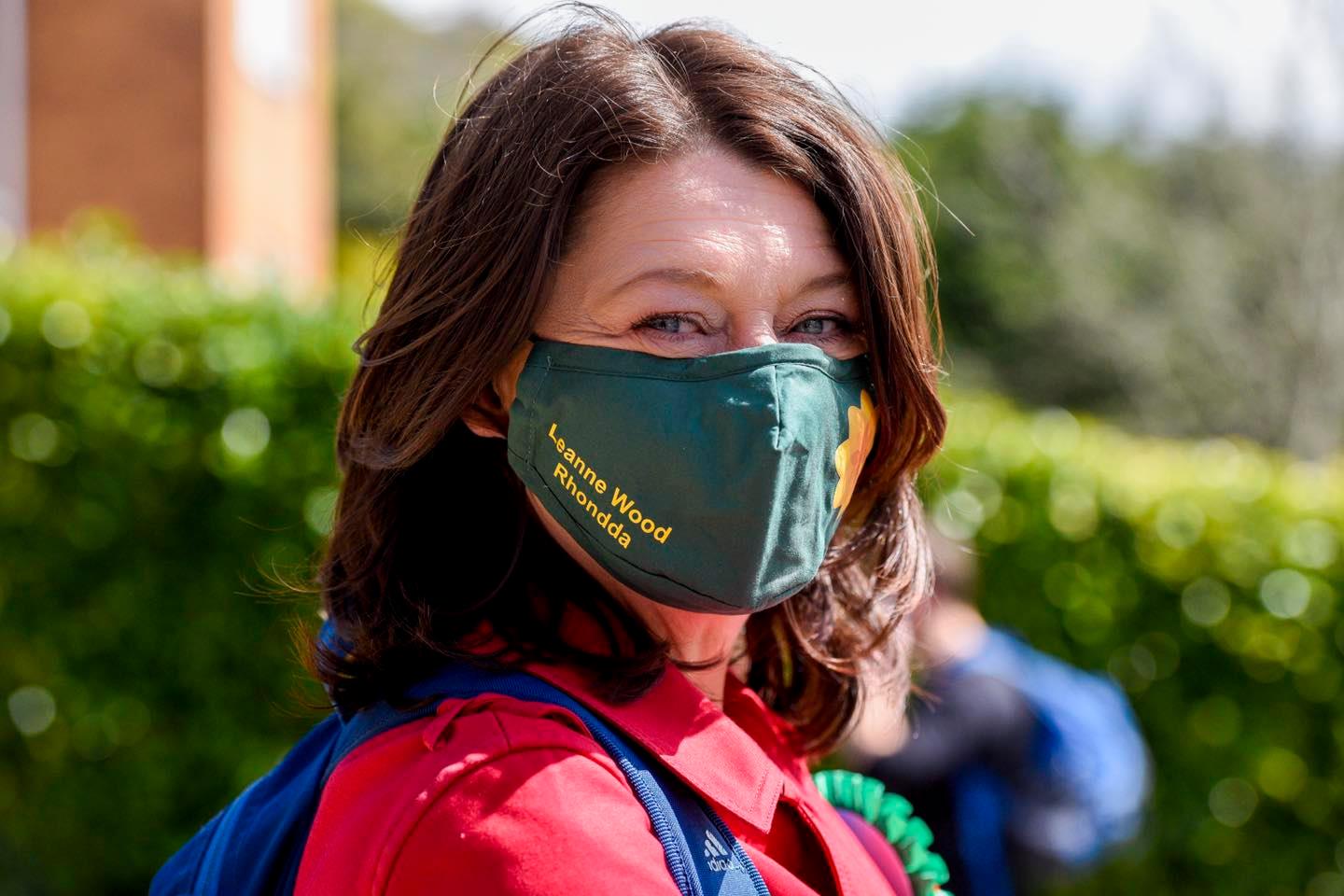
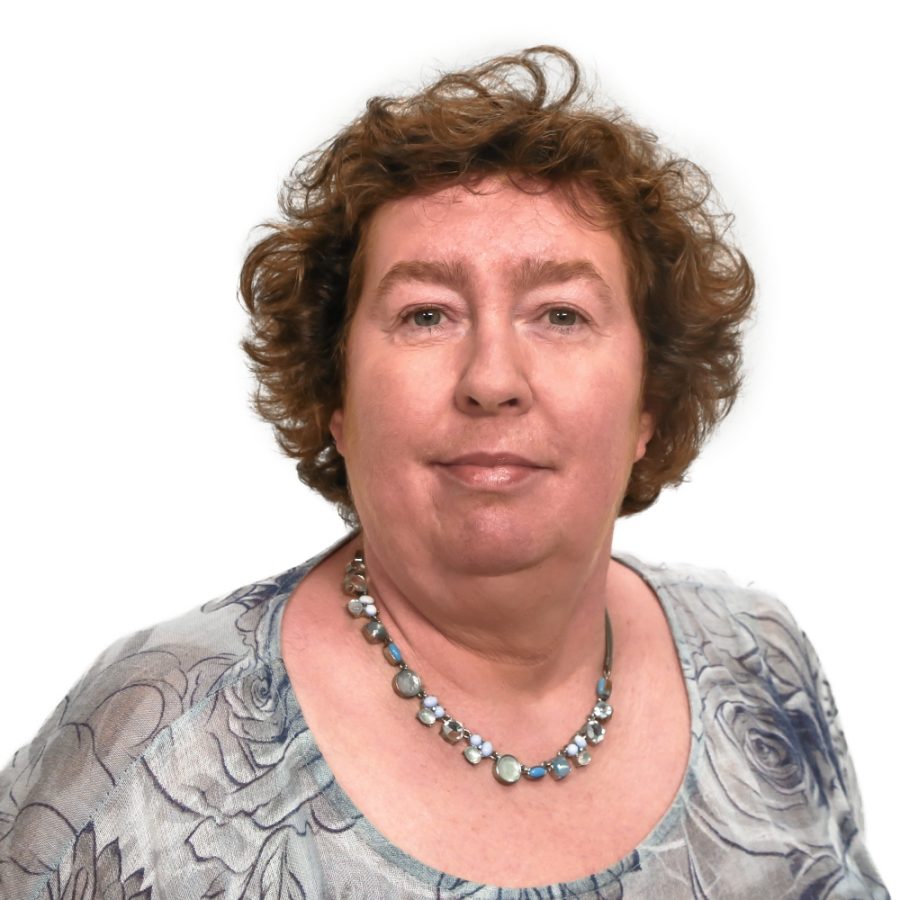
While the losses of Leanne Wood and Helen Mary Jones are undoubtedly a blow to Plaid Cymru in the Senedd, it is unlikely to upset too many more traditionally-minded party activists.
Plaid’s core problem is that its central office staff and its national executive consists of factional activists who pursue sectional interests above creating a policy agenda that speaks to the sort of voters Plaid needs to pick up.
Those small ‘c’ conservatives – socially conservative but inclined to Plaid on other issues – have no home or voice in the party.
They might vote Labour. They might vote Conservative. Far worse, they might not vote at all. And they will not vote for Plaid.
If Plaid is going to be a third party with influence, instead of a ginger group constantly on the fringes of power but without ever exercising it, it needs to professionalise its organisation and stop the nonsense which ties the hands of regional campaigns.
There’s no point having your head in the clouds if you’re hurtling towards the ground without a parachute.
TIME TO ABOLISH ABOLISH

A website, a slogan, a few polls. Constantly bigged-up by the London media and the BBC, Abolish the Assembly (sic.) got exactly what it deserved.
Bog all.
The Greens outperformed Abolish – again – demonstrating the farce of Richard Suchorzewski’s invitation from the BBC to the main leadership debate for what it was.
While the Abolish voice will not be silenced, its hammering will ensure it won’t be given a free pass in the future.
After five years of faction-fighting, UKIP’s vote predictably collapsed.
Only one of its candidates – Paul Dowson in Carmarthen West and South Pembrokeshire – came within 50 of getting 1,000 votes in any constituency.
As Welsh online media becomes more diverse and breaks through to more people in Wales, and it will, the hold of London dead tree media will decrease. The chances of fringe single-issue parties getting the coverage and exposure they enjoyed before the election will recede.
Not because those voices aren’t necessary, but because the voters – those who consume media – don’t think they’re important enough to justify coverage.
The argument about abolition is over. What remains is the debate about what powers the Welsh Parliament has in the future.
THE THREAT TO LABOUR

When a party has performed so far above pollsters’ expectations in an election, it sounds strange to speak of its threats and problems.
But there are issues that Labour cannot ignore.
It has no excuse left for not delivering its modest policy agenda within the five years of this Welsh Parliament.
Secondly, turnout in Labour safe seats – those with no second party threat – was humiliatingly small. Swansea East turned out barely a third of its electorate, and Merthyr and Rhymney 35%. That’s no ringing endorsement for a sitting government from its core voters.
The politics of Wales outside Labour safe seats were far more dynamic, and the electoral significantly more engaged.
Although barely half of 16-17-year-olds registered to vote, most of those who registered voted. And a basic assessment suggests they voted disproportionately for Plaid and the Green party over the big two.
Complacency is also a risk. Labour cannot just sit back; it’s got a more-or-less working majority under its own steam. There can be no excuses now.
The pandemic was the Welsh Government’s unseen friend in this election. It raised the Welsh Government’s profile within Wales and showed the public what the Welsh Government could do with its powers. It boosted Mark Drakeford’s public profile.
As the campaign went on it became noticeable other Labour ministers faded into the background in favour of a focus on Mark Drakeford’s personal qualities.
In the past, this was called ‘the doctor’s mandate’ in UK elections, and Mark Drakeford’s evident diligence and doggedness played well.
In the absence of the pandemic, it’s hard to see how Labour could’ve maintained its death-grip on the levers of power unaided.
The biggest challenge for Labour is who succeeds Mark Drakeford and when.
He said he would stand down in this Parliamentary term, and that leaves Labour a real difficulty.
The personal focus on Mark Drakeford deflected attention from the shortcomings of pretenders to his throne.
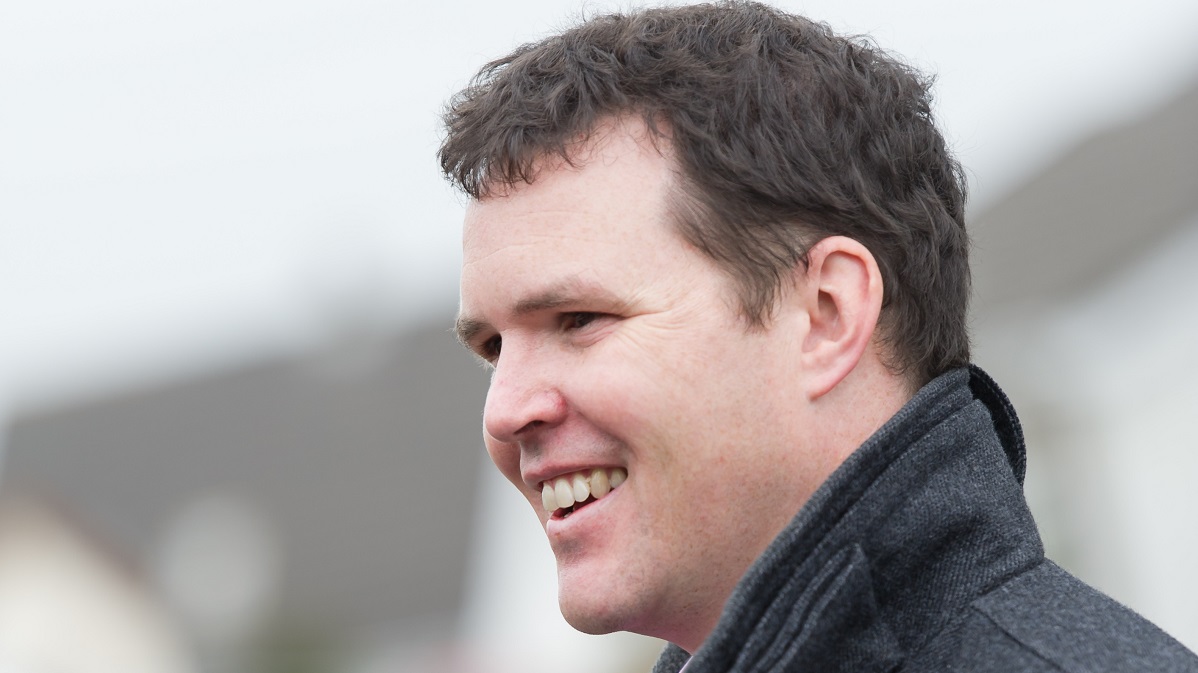
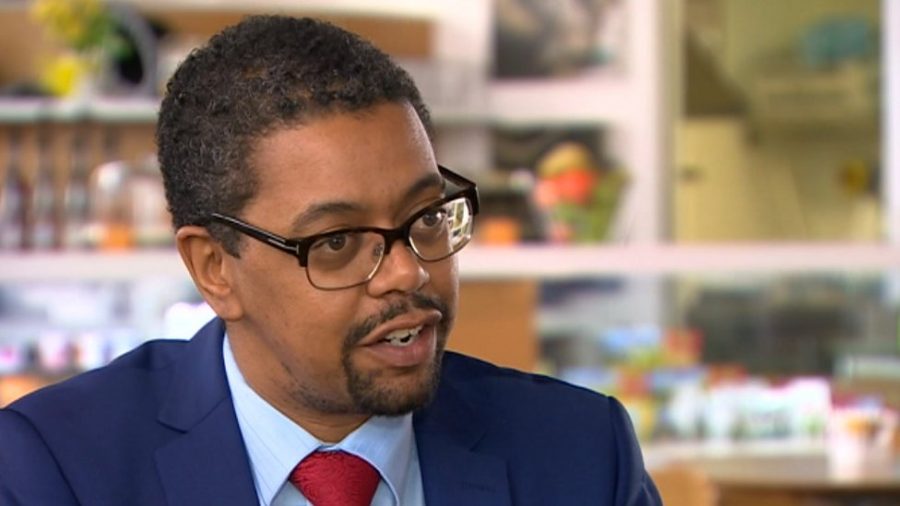

Vaughan Gething: patronising, easily rattled, waspish, doesn’t command the detail.
Ken Skates: unfairly labelled plastic but with a sound grasp of policy but almost no public profile to speak of.
Probably the ablest of the Welsh ministers is Lee Waters. He is bright and articulate but hamstrung by a reputation for being ‘difficult’.
Nine out of ten voters probably couldn’t name any other members of the last Labour cabinet. Unless you’re a farmer. In which case, you’ll have a Lesley Griffiths dartboard.
Without Mark Drakeford at the helm, there’s a distinct shortage of candidates with either the public profile or political weight to take up the post of First Minister.
Wind forward five years, Labour faces a real fight if it fails to deliver on its limited manifesto and lacks a leader who appeals to the wider Welsh public and not just Labour’s endemic tribalism.
Then the political landscape of Wales might well change.

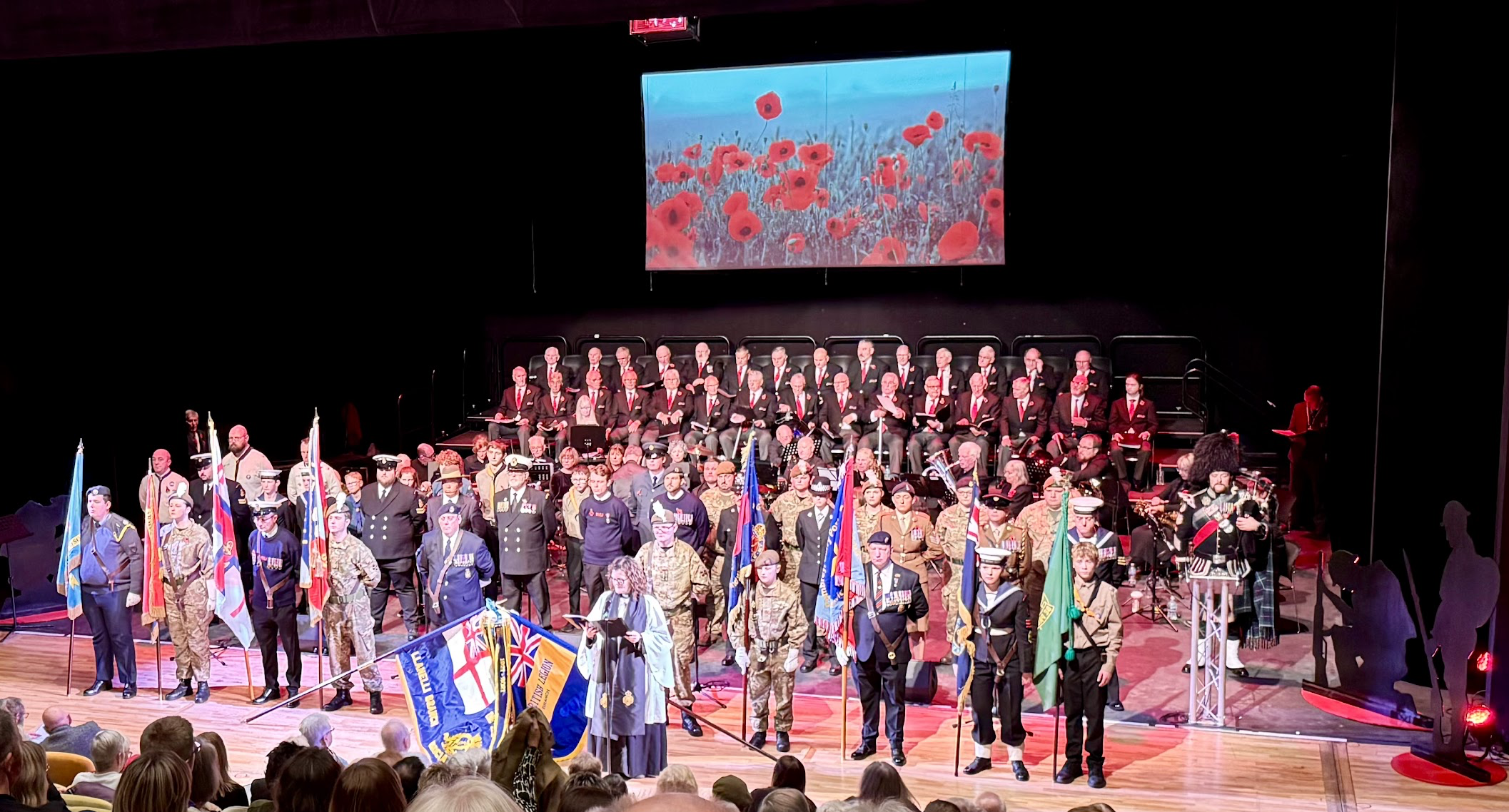
Review: Music, tribute and reflection at Ffwrnes Theatre, with Carmarthen Symphonic Wind Band, Meibion Elli and young local performers
Review by Robert Lloyd
It would be hard to think of a better way to end a week of Remembrance than this special festival staged at Llanelli’s Ffwrnes Theatre.
It was an evening which provided just the right measures of tribute, respect, dignity and emotion.
And it was fitting that it ended with a special presentation to Royal British Legion Llanelli branch president Ray Batsford, a veteran who has provided years of sterling service to the community.
The Llanelli branch of the RBL is in fine shape, on the evidence of a Poppy Appeal estimated to have raised £24,000 locally this year.
The branch’s organisation of the Festival of Remembrance was magnificent from start to finish, helped by the Rev Eldon Phillips as compère and Cerith Owens as artistic director.
The highlight of the evening was an impressive Drumhead Service of Remembrance, conducted by RBL Llanelli branch chaplain the Rev Delyth Richards. The silence was impeccably observed and there were many tears shed among the audience.
The festival was blessed with musical support from the Carmarthen Symphonic Wind Band, performing under the baton of their new musical director, Rhodri Rutherford.
On a day when Welsh pride and passion were well to the fore, it was appropriate that Meibion Elli should bring their own brand of powerful and emotional male voice singing to the stage.
The evening began with the muster of banners, with the symphonic band providing the musical background of Great Little Army and Arromanches.
Meibion Elli’s first set, under musical director D Eifion Thomas, included the powerhouse Gwahoddiad, the Welsh version of Anthem from Chess and the Elvis Presley classic Precious Lord. The featured soloist was award-winning baritone John ‘Pontyberem’ Thomas.
The first soloist of the evening was Scott Holmes, a member of the Llanelli-based Loud Applause Rising Stars team. He was totally tuned in to the emotion of the evening with performances of Bui Doi (Dust of Life) from Miss Saigon and the classic Empty Chairs at Empty Tables from Les Misérables.
The youngsters of Ysgol Bryngwyn Comprehensive School, drawn from Years 7 to 11, were a delight, with a set which included When I Grow Up from Matilda and John Lennon’s classic Imagine.
The Carmarthen Symphonic Wind Band took centre stage with The Great Escape, Tell My Father, featuring Rhodri Rutherford, Dafydd y Garreg Wen and Jitterbug.
Soloist Betsan Daniel, also a member of Loud Applause Rising Stars, was a late replacement for the unwell Lauren Elizabeth Williams, but she displayed wonderful composure with A Nightingale Sang in Berkeley Square and Adre, the celebrated Caryl Parry Jones tear-jerker.
The wind band stirred the soul with Elgar’s Nimrod, before Meibion Elli concluded with You’ll Never Walk Alone, Ashokan Farewell and The Mansions of the Lord.
David Blewitt, pipe major of the City of Swansea Pipe Band, provided bagpipe accompaniment to the Service of Remembrance, which included the hymns Efengyl Tangnefedd and O God, Our Help in Ages Past.
There were prayers before the Exhortation, the Last Post, the Silence and the Kohima Epitaph. The festival also featured an emotional poetry reading by Welsh Guards veteran Chris Beynon and a short speech by Geraint Davies reflecting on the Iraq War.

Find out more about the Royal British Legion’s work locally on the Friends of The Royal British Legion – Llanelli Branch Facebook page.
Main image: The Rev Delyth Richards conducts the Drumhead Service of Remembrance at Ffwrnes Theatre, Llanelli (Image supplied).
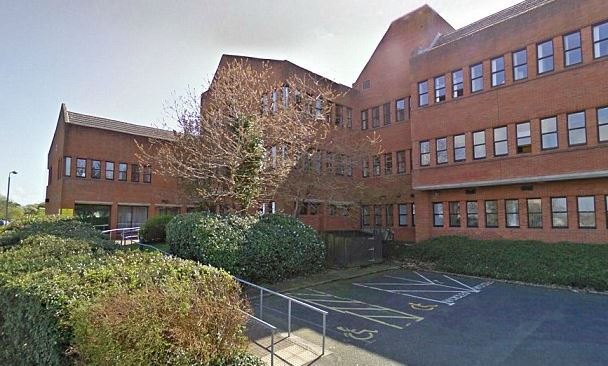
Jay Francis Cockburn was sentenced to 12 weeks after admitting a breach involving missed probation and treatment appointments
A DRUG-DRIVER has been jailed for 12 weeks after repeatedly failing to comply with a community order imposed for offences in Ceredigion.
Jay Francis Cockburn, 35, of no fixed abode, admitted the breach at a hearing on Monday (November 9).
He was at Haverfordwest courthouse but appeared before a Llanelli magistrates’ bench, according to the court register.
The proceedings concerned a community order made at Aberystwyth Magistrates’ Court on July 1. Cockburn had been convicted in October 2025 of two drug-driving offences arising from the same incident at Llanafan on July 3 that year.
He had driven a Ford Mondeo with controlled substances in his blood above the specified limits.
The breach proceedings listed failures to comply with a planned home visit on August 4, a drug rehabilitation appointment on October 2 and supervision appointments on October 6, October 20 and November 3.
Magistrates revoked the community order and re-sentenced Cockburn for the original offences, imposing two 12-week prison terms to run at the same time.
In their recorded reasons, the bench described his failure to comply as wilful and persistent and said the driving could have had devastating consequences.
The court concluded that his failure to comply with previous community orders for the offence demonstrated an unwillingness to engage with probation, and that the prison sentence could not be suspended.
No order was made for costs.
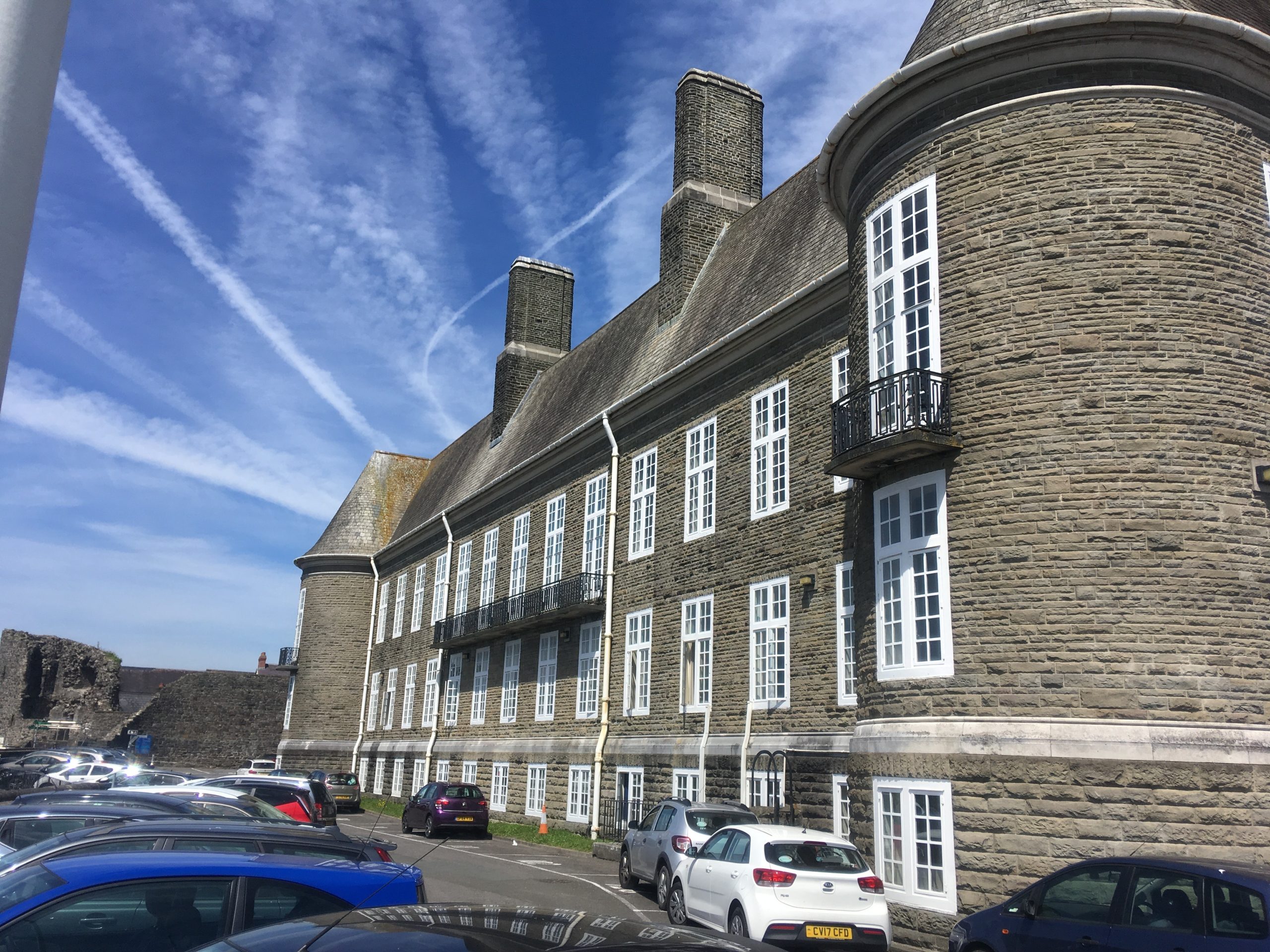
Carmarthenshire Council’s HQ at County Hall (Pic: Richard Youle)
Councillors seek an urgent plan with Hywel Dda to provide nursing support for pupils with complex medical needs
PERMANENT nursing should be available at all specialist additional learning needs (ALN) facilities in Carmarthenshire, according to councillors.
They backed a motion brought by Labour councillors Martyn Palfreman and Edward Skinner which said pupils in such venues often needed complex medical interventions during the school day.
“These include tube feeding, catheterisation, tracheotomy care, monitoring and responding to seizures, and the timely administration of prescribed rescue medication,” it said.
“Despite the dedication of educational staff in such establishments, who provide outstanding care for pupils and have undertaken training to meet individual healthcare needs, it should be recognised that they are not medically qualified.
“As such, they should not be expected to be responsible for recognising clinical deterioration, assessing complex medical symptoms or responding to potentially life-threatening medical emergencies that arise during school time.”
There was particular focus on Ysgol Heol Goffa, Llanelli, where many pupils have very complex needs and where, according to the motion, the head teacher has sought permanent onsite nursing provision for more than five years.
“Parents have expressed serious and continuing anxiety about the safety of their children in the absence of a registered nurse permanently based on site,” it said.
Discussions have taken place between the council and Hywel Dda University Health Board and the motion called for an urgent meeting between them and other parties in a bid to agree a “funded and time-bound plan”.
The motion also said a jointly-commissioned clinical risk assessment for every pupil with complex or life-limiting medical needs should be done immediately.
Speaking at a meeting of full council Cllr Palfreman said providing the right support could in some cases “can be a matter of life or death”. He and others praised the work of teachers and teaching assistants.
Cllr Crish Davies said: “Every parent deserves peace of mind that comes from knowing that their child is in safe hands.” Some of them, she said, lived with worries “we can barely imagine”.
Cllr Deryk Cundy said five children at a special school had palliative care, seven had feeding valves, three had shunts, and 22 had epilepsy. He added that many children could not articulate their concerns.
Cllr Gareth John said he supported the motion with two reservations – that it was logical for the outcome of discussions between the council and the health board to reach an outcome before cabinet discussed the motion, should it be approved, and an acknowledgement the council could lobby but couldn’t create a health workforce “that may not even exist”.
Cllr Jane Tremlett, cabinet member for integrated health and children and adult services, said: “Every child with complex needs should be able to attend school safely, with dignity and with confidence that the appropriate support is available if they need it.”
She said school staff shouldn’t be expected to be healthcare professionals. “We need absolutely clarity about where professional responsibility sits and how that provision is commissioned and funded,” she said.
She said different schools might need different models of provision, and added: “What matters is it’s safe, clinically approved and sustainable.”
Cllr Glynog Davies, cabinet member for education, called on the health board “to take up their responsibility seriously” and said the Welsh Government should provide clarity on what they expected councils to provide.
Responding to the motion, Sharon Daniel, director of nursing, quality and patient experience at Hywel Dda University Health Board, said: “The health and wellbeing of all children and young people is fundamental to their ability to learn, thrive and reach their potential, and is a priority for us.
“We support the children and young people at Ysgol Heol Goffa with a specialist/community children nursing service to meet their universal health needs, and through the provision of training for staff at the school.
“We provide specialist support, ensuring each child and young person with healthcare needs can be cared for competently and confidently within the school environment. Through continued partnership working and a shared commitment to improvement, we will support ongoing actions to strengthen provision and ensure the best possible outcomes for the pupils and staff at Ysgol Heol Goffa.”
-
 Community1 day ago
Llanelli Festival of Remembrance brings week to an emotional close
-
 News1 week ago
Gateway Resort owner loses appeals over glamping pods and clubhouse extensions
-
 Education4 days ago
Carmarthenshire councillors call for permanent nursing at special schools
-

 Education3 weeks ago
BT Work Ready programme helps Llanelli pupils build skills for future careers
-
 Education1 week ago
Llanelli special school pupils welcome plans for larger school with outdoor space
-

 Business1 week ago
Fast Forward sets its sights on the next stage of growth
-
 News12 months ago
Llanelli Town AFC women’s team secures new sponsor
-
 News8 months ago
Boxer plans move to Llanelli church to expand community club